
Snorkeling in Bonaire: Best Spots, Klein Bonaire, and What You Will See
·
Quick answer
Bonaire is one of the easiest places in the Caribbean to snorkel because the coral reef starts just a few meters from the shore along most of the sheltered west coast. Top spots include Klein Bonaire, 1000 Steps, and the reef in front of many beachfront resorts. A Marine Park nature fee applies to snorkelers too.
Key takeaways
- The reef is shore-accessible, so you can snorkel straight from many beaches.
- Klein Bonaire, a short water taxi away, has some of the clearest water and best reef.
- Expect turtles, parrotfish, seahorses, and dense coral in shallow water.
- Snorkelers also pay a Marine Park nature fee, which is lower than the diver rate.
- Bring your own gear or rent locally; a rash guard helps against sun and coral.
You do not need to be a scuba diver to enjoy Bonaire’s underwater world. The same fringing reef that made the island famous for diving sits within snorkeling depth for long stretches of the calm west coast. In many places you can wade in from the sand and float over living coral within a minute or two, which makes Bonaire one of the most approachable snorkeling destinations in the Caribbean.
Why is snorkeling so good in Bonaire?
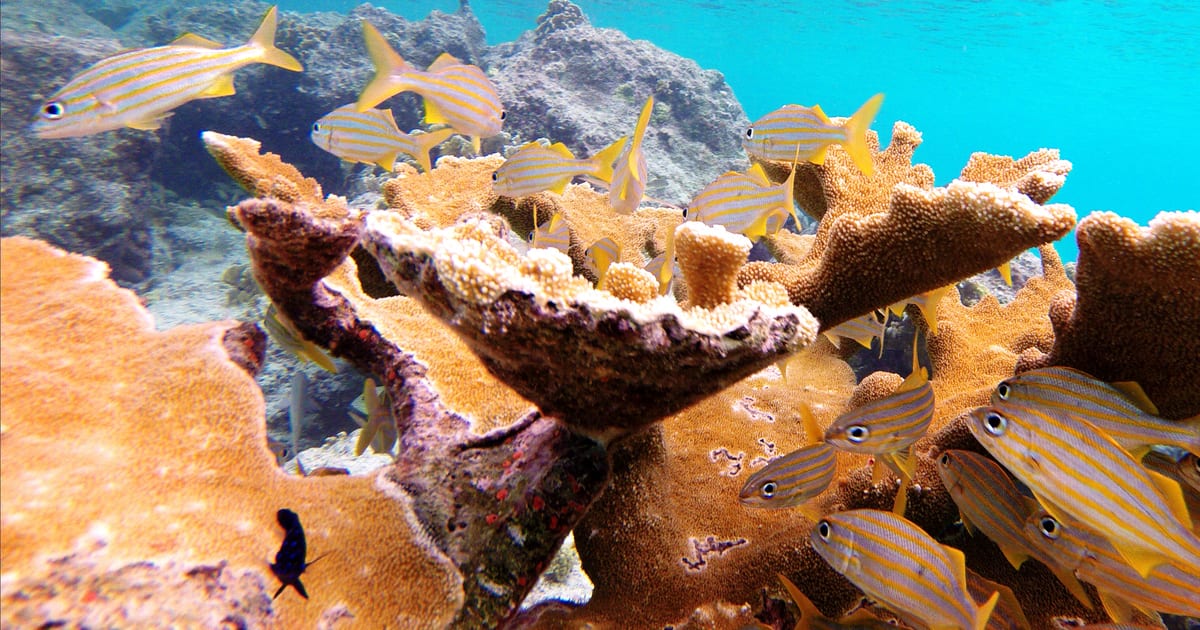
Bonaire’s reef hugs the shore. On the leeward (western) side of the island the trade winds are blocked, so the water is usually flat and clear. The reef typically starts as a shallow shelf a few meters out, then slopes into a drop-off. That means the most colorful, fish-rich zone is often in water shallow enough to see clearly from the surface. Because the whole coast is a protected marine park, the coral is in better shape than on many neighboring islands.
Where should you snorkel first?
A handful of spots suit almost everyone. Klein Bonaire, the uninhabited island just off Kralendijk, is reached by a short water taxi and rewards you with bright water and healthy reef right off its beaches. On the main island, 1000 Steps is a scenic bay reached by a stone staircase, with a gentle reef that is as good for snorkeling as it is for diving. The house reefs in front of the resorts strung along the west coast are convenient and often surprisingly rich. For a different experience, the shallow lagoon at Lac Bay on the east side shelters seagrass and patch reef where turtles feed.
What will you see?
Even in shallow water the variety is high. Parrotfish crunch on coral, sergeant majors and blue tang drift past in schools, and trumpetfish hang motionless near the surface. Green and hawksbill turtles are a regular sight, especially over seagrass. Patient snorkelers spot seahorses clinging to sponges, and moray eels peering out from the reef. Early morning usually brings the calmest water and the best light.
Do snorkelers need a marine park fee?
Yes. The Bonaire National Marine Park charges a nature fee to everyone who enters the water, snorkelers included, although the snorkeler rate is lower than the diver rate. The fee funds reef monitoring and protection and is easy to pay online before you travel. Whatever you do, do not touch, stand on, or take anything from the reef. Coral is a living animal and recovers slowly.
What gear do you need?
A mask, snorkel, and fins are enough. You can bring your own or rent from a dive shop, and many resorts lend gear to guests. A rash guard or thin wetsuit top protects against both the strong sun and accidental brushes with coral. Reef-safe sunscreen is strongly encouraged and is better for the very reef you came to see. Water shoes help on the rockier entries such as 1000 Steps.
Tips for a safe, better trip
Enter and exit at the marked, easier points, watch for windsurfers and boats near the surface, and always snorkel with a buddy. Keep an eye on the current, which is usually mild on the leeward coast but stronger around points and near Klein Bonaire.
Staying on the water makes early snorkeling easy. Many vacation rentals on Bonaire sit directly on the shore, so the house reef is your backyard.
Frequently asked questions
Where is the best snorkeling in Bonaire?
Klein Bonaire is a favorite for its clear water and untouched reef. On the main island, 1000 Steps, the reef in front of the resorts along the west coast, and the Lac Bay lagoon are all rewarding. Many sites are reachable directly from the shore.
Do snorkelers pay the marine park fee?
Yes. Everyone using the Bonaire National Marine Park pays a nature fee, though the snorkeler rate is lower than the diver rate. You can pay online before your trip. Check the current price with STINAPA, the park authority.
Can you see turtles snorkeling in Bonaire?
Yes. Green and hawksbill turtles are common on the reefs and in the seagrass beds. Klein Bonaire and Lac Bay are especially good, but keep a respectful distance and never touch or chase them.
Is Bonaire good for beginner snorkelers?
Very. The leeward coast is calm, the water is warm and clear, and coral often sits in just one or two meters of water close to the beach. Beginners should still watch for boat traffic and avoid standing on the reef.