
Getting Around Bonaire: Renting a Truck and Driving the Island
·
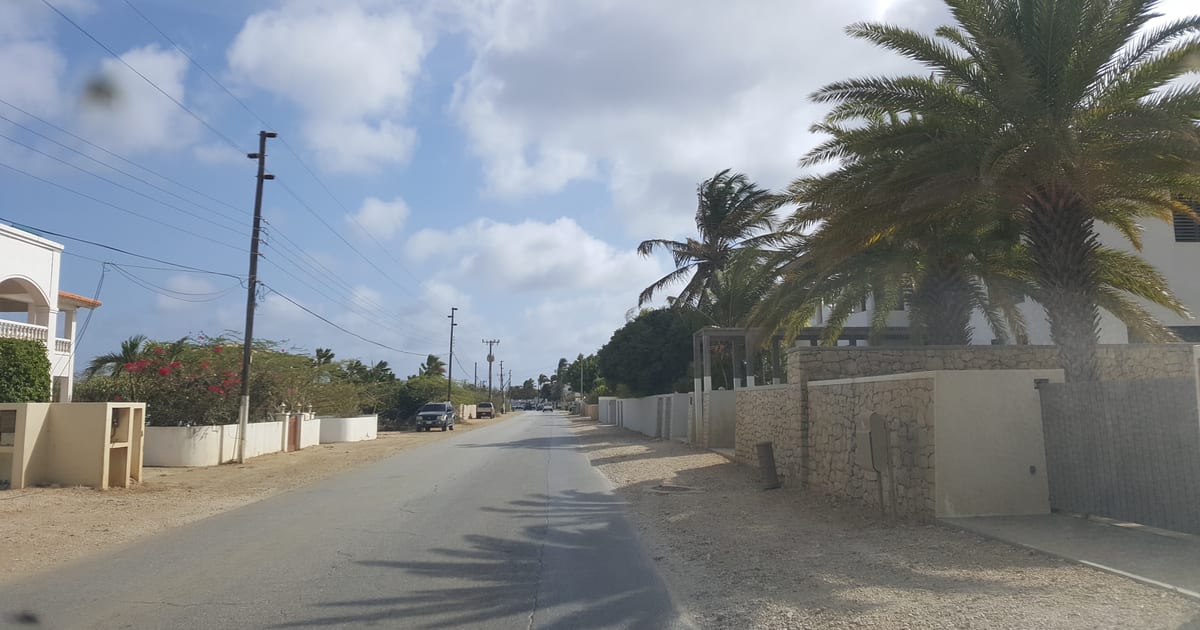
Quick answer
The best way to get around Bonaire is to rent your own vehicle, and a pickup truck is the island standard because it carries dive gear and handles the rough national park roads. The island is small, driving is on the right, there are no traffic lights, and there is almost no public transport, so a rental gives you the freedom to reach every dive site, beach, and the park.
Key takeaways
- Renting a vehicle is essentially required, as Bonaire has almost no public transport.
- A pickup truck is the local favorite for dive gear and unpaved roads.
- You drive on the right, and the island has no traffic lights at all.
- Main roads are paved; the national park and some rural roads are rough.
- Taxis exist for airport runs and tours, but they are not a full transport network.
Bonaire is small, only about 24 miles long and 5 miles wide, but its attractions are spread from the salt flats in the far south to the wild national park in the north. There is no bus network to string them together, so how you get around matters. For nearly everyone the answer is the same: rent your own vehicle and enjoy the freedom of a compact island with almost no traffic.
Is there public transport?
In practice, no. Bonaire has virtually no public transport system that a visitor can rely on. Attempts to run a regular bus service have not taken hold, so you cannot plan your days around one. That leaves rental vehicles and taxis as the realistic options, and for most trips a rental wins on both cost and convenience.
Why a pickup truck?
Look around the island and you will notice how many visitors are driving pickup trucks. This is not a coincidence, it is the island’s diving culture on wheels. The open truck bed is perfect for hauling scuba tanks and dripping wet gear, the higher ground clearance copes with unpaved roads, and many rental companies offer dedicated diver trucks fitted with a rinse tank for your equipment. If you plan to dive, a pickup is the natural choice and the reason the local phrase is “drive and dive.” If you are not diving, a normal car is perfectly fine for most of the island.
What is driving like?
Driving on Bonaire is refreshingly low stress. You drive on the right, the same as the Netherlands and the United States, and remarkably the whole island has no traffic lights. Traffic is light, distances are short, and speeds are modest, with lower limits in town and only slightly higher out on the open road. The main thing to watch for is wildlife: goats and the occasional donkey wander near the roads, especially at dawn, dusk, and after dark, so drive with that in mind at night.
What are the roads like?
It depends where you go. In and around Kralendijk the roads are well paved and easy. Head out to the coast and most routes remain fine for a standard car. The exception is Washington Slagbaai National Park in the north, where the loop roads are unpaved, rocky, and genuinely rough. That is where a pickup or SUV really pays off, and some rental agreements specifically exclude the park for smaller cars, so always check your contract before you drive in. Carry a spare tire and know how to change it.
What about fuel and practicalities?
There are only a handful of fuel stations on the island, mostly around Kralendijk, so fill up before a long day out and do not run the tank low on a trip to the north or south. Rental agencies operate at the airport and in town, and booking ahead in the busy winter season is wise because the popular diver trucks get snapped up. Bring your national driving license, which is accepted for visitors.
Are there taxis?
Yes, taxis operate on Bonaire, and they are useful for the airport run or for hiring by the hour to see the sights if you would rather not drive. However, they are not a substitute for having your own wheels over a whole trip, both on cost and on flexibility. For a day or two without a car, a taxi tour works well, but most visitors rent for the length of their stay.
The bottom line
Rent a vehicle, choose a pickup if you are diving or heading into the park, keep the tank topped up, and watch for animals at night. Do that and the whole island opens up, from a sunrise dive on the west coast to the flamingos in the south, all within an easy drive.
Once you have your wheels sorted, the next step is a base to drive from. Browse vacation rentals on Bonaire, and see all the things to do to map out your route.
Frequently asked questions
Do you need to rent a car in Bonaire?
For most visitors, yes. Bonaire has virtually no public transport, and the island's dive sites, beaches, and the national park are spread out. Renting your own vehicle is the practical way to see the island on your own schedule.
Why do so many people rent pickup trucks in Bonaire?
A pickup truck suits the island's diving culture. The open bed carries tanks and wet gear, the higher clearance handles unpaved roads, and many rental companies offer diver models with a rinse tank. It is the classic 'drive and dive' vehicle.
Which side of the road do they drive on in Bonaire?
On the right, the same as the Netherlands and the United States. The island has no traffic lights, traffic is light, and speeds are low, so driving is generally relaxed once you are used to watching for the occasional goat or donkey.
Do you need a pickup or SUV for the whole island?
Not for most of it. Roads in and around Kralendijk are well paved and fine for a normal car. A pickup or SUV mainly earns its keep on the rough, unpaved roads of Washington Slagbaai National Park and for carrying dive gear.